
Video Editing
Video editing is the process of arranging, cutting, enhancing, and refining video clips to create a finished film, short video, or content piece. It combines technical skills and creativity to tell a clear, engaging story. There are two types of video editing Linear Editing and Non Linear Editing.
# Linear Editing
Editing in a sequence Vise (old tape-based method).
Changes affect the whole timeline.
Rarely used today.
# Non Linear Editing
Modern digital editing.
You can edit clips in any order.
Used in software like:
Adobe Premiere Pro
Final Cut Pro
DaVinci Resolve
Filmora
CapCut
video editing is the art and technical process of transforming raw footage into a polished, compelling visual story. It involves selecting the best shots, arranging scenes logically, refining pacing, enhancing audio clarity, and applying color correction and visual effects to achieve a cinematic finish. Professional editors use advanced software such as Adobe Premiere Pro, Final Cut Pro, and Da Vinci Resolve to ensure high-quality results suitable for films, television, corporate videos, advertisements, and digital platforms. Beyond technical skills, professional editing requires a deep understanding of storytelling, rhythm, emotion, and audience engagement.
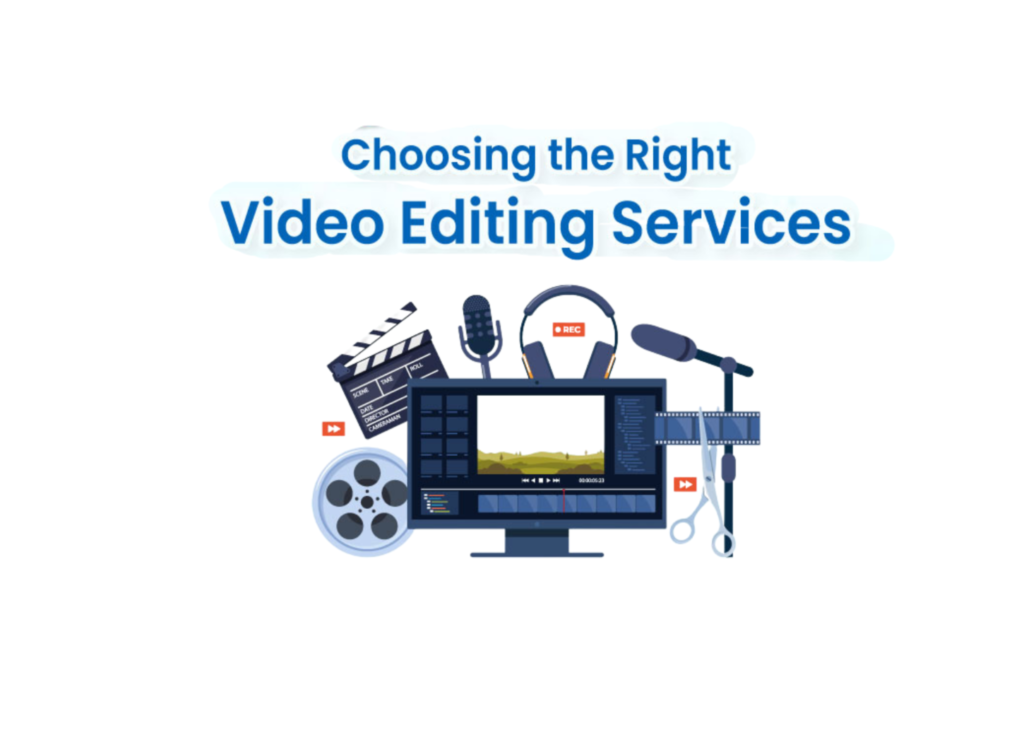
Editors carefully synchronize visuals with music, dialogue, and sound effects to create a seamless viewing experience. They also optimize videos for different platforms by adjusting formats, resolutions, and aspect ratios. Attention to detail, creativity, and strong communication skills are essential, as editors often collaborate with directors, producers, and clients to meet specific project goals. In today’s digital era, professional video editing plays a crucial role in branding, marketing, entertainment, and online content creation, making it a highly valuable and in-demand skill across industries.
Graphics Design
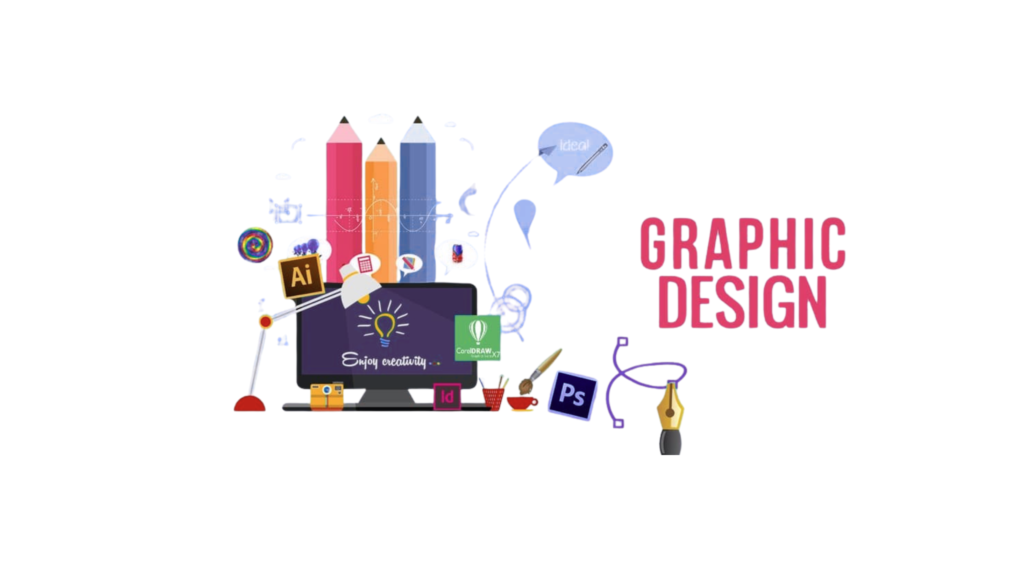
Graphic design is the art and practice of planning and projecting ideas and experiences with visual and textual content. It combines images, typography, colors, and layout to communicate messages effectively. Graphic design is used in advertising, branding, publishing, web design, packaging, social media, and more
# Many types of Elements in Graphics Design
- Line (Create structure & direction)
- Shape (Geometric & organic Shape)
- Colour (Solid & gradients)
- Texture (Adds height, length & depth)
- Space (Positive & Nagative space)
- Typography (Fonts Size & Alignment)
- Image (Icons & Graphics Logo)
Graphic design is a discipline that combines creativity, strategic thinking, and technical skills to communicate ideas visually. It involves the purposeful use of typography, color theory, imagery, layout, and composition to create designs that are both aesthetically appealing and functionally effective. Graphic designers work across various industries—including branding, advertising, publishing, digital media, and user interface design—to develop visual solutions that solve communication problems and strengthen brand identity.
Using industry-standard tools such as Adobe Photoshop, Adobe Illustrator, and Adobe InDesign, designers produce logos, marketing materials, websites, packaging, and multimedia content that align with client objectives and target audience expectations. A professional approach to graphic design requires research, conceptual development, attention to detail, and adherence to design principles such as balance, contrast, hierarchy, and alignment. Beyond visual appeal, effective graphic design enhances communication, builds trust, and influences consumer perception. In today’s digital-driven world, graphic design plays a critical role in shaping how businesses, organizations, and individuals present themselves, making it an essential component of modern communication and marketing strategies.